
Succession Planning Coach for Business Owners
You have built a successful company, but too many decisions still depend on you or another senior leader. Working with a succession planning coach helps you prepare the people, leadership structure, systems, and business for an eventual transition. Retirement need not be imminent. You may want capacity for growth, greater resilience, or capable managers who can carry more responsibility.
Coach Michael helps you clarify that direction, establish accountability, and prepare your team to lead. The work starts with understanding what the company needs to function independently and what you want your involvement to look like as the business continues to evolve.
Build a Business That Can Lead Without Depending on You
Your company should be able to make sound decisions without routing every issue through your desk. That requires strong leadership, clear accountability, and managers with genuine authority. Coach Michael will give you a hand to work toward a business where customer relationships, daily responsibilities, and critical knowledge are shared appropriately. Document the systems. Clarify who owns each outcome, then give those people room to deliver.
Through effective succession planning, you prepare for future leadership while improving how the company operates today. Even if you intend to stay involved for years, the commercial objective remains clear: a capable team and a business that can withstand change.


What Does a Succession Planning Coach Help You Do?
Coach Michael focuses on the leadership and operational work that makes a transition practical. As a leadership coach, he helps clarify your objectives, examine owner dependency, and identify potential candidates for greater responsibility. Capability shortfalls become specific development priorities.
Through coaching for succession planning, you establish expectations, assign actions, and review whether people are becoming more capable of leading independently. He brings an objective perspective, asks difficult questions, and holds you and your team accountable when implementation stalls. Legal documents, tax arrangements, and financial decisions remain with the appropriate professional advisors; his role is to help turn your intentions into action.
Reduce Owner Dependency Before the Transition Begins
If customers only trust you, managers need your approval, and essential knowledge stays in your head, handing over a title changes little. Decisions still queue behind you. Coach Michael helps you examine these dependencies, including weak management authority and daily interventions that prevent others from taking ownership. Start transferring relationships, documenting judgment calls, and defining decision boundaries while you remain available. Addressing these issues gradually gives people in key leadership positions time to demonstrate responsibility without leaving the business unsupported overnight.
Identify and Prepare Future Leaders
Naming someone does not establish their readiness. Assess succession candidates against the work they will actually perform: leading people, understanding the business, communicating decisions, and accepting accountability when results disappoint. Look for leadership potential, then test it through management experience and progressively wider responsibilities. Even high-potential employees need opportunities to strengthen their leadership skills before taking charge. Coach Michael works with you to distinguish promise from demonstrated capability so appointments reflect evidence, willingness, and preparation rather than confidence alone or familiarity with you.
When Should You Start Succession Planning?
Begin while you have time to develop people, improve systems, and test the business with less involvement from you. Waiting until you are ready to step away compresses that work unnecessarily. You might be considering retirement, an eventual sale, family succession, or promotion of an internal management team. Perhaps you simply want fewer daily demands.
The importance of succession planning also extends to reducing reliance on individuals and preparing the next generation before leadership changes occur. Early preparation creates space for training and development, honest feedback, and adjustments based on what actually happens when others take responsibility for business decisions.

The Succession Planning Coaching Process
Coach Michael helps you move from an initial discussion about your future to clear decisions, practical assignments, and regular reviews. The succession planning process begins with your objectives and the business’s current dependencies. From there, you examine critical roles, assess people, and agree on the changes required.
Work follows a sequence, with progress checked against strategic goals and observable evidence of succession readiness. Having a succession plan in place is only the starting point; implementation requires owners, deadlines, and follow-through. Each stage gives you a clearer view of what can transfer now and what needs further attention before responsibilities move elsewhere.
1. Clarify Your Long-Term Goals for the Business
Decide what you want your future involvement to include. You may remain an owner while leaving operations, hand over leadership gradually, transfer ownership, sell eventually, or retain an advisory role. Those choices require different preparation. Working alongside Coach Michael you explore the implications and resolve competing priorities before agreeing on a succession planning strategy. Your preferences should inform the direction alongside the organization’s long-term success, creating a workable balance between personal objectives and the responsibilities the business will need someone to carry.
2. Identify Succession Risks and Critical Roles
Look beyond your own position. A department without a credible deputy, a customer relationship controlled by one manager, or technical knowledge held by one specialist can limit continuity. Map operational dependencies and leadership gaps across the company, then establish which roles need cover, documentation, or additional capability. Building a robust leadership pipeline means preparing people for responsibilities throughout the business. Coach Michael helps you prioritize the vulnerabilities that matter commercially, so progress strengthens management depth rather than merely replacing the founder.
3. Assess Potential Successors and Readiness Gaps
Evaluate people against clear requirements for the role. Review experience, communication, strategic thinking, accountability, and each essential competency using examples from their work. How do they respond under pressure? Emotional intelligence and consistent leadership behavior matter alongside technical performance. Coach Michael helps you assess high-potential talent objectively, identify development requirements, and challenge assumptions about family members or longtime employees. The strongest evidence comes from decisions made, teams managed, and commitments delivered, giving you a firmer basis for judging readiness and fit.
4. Develop Future Leaders
Give prospective successors meaningful work before transferring full authority. A mentor can offer perspective, while executive coaching supports decisions and management accountability. Build a development plan around measurable goals, wider business exposure, and responsibilities that stretch capability. Coach Michael works with you to connect tailored development to the challenges people face inside your company. Review outcomes together. Learning and development should show up in better judgment, clearer communication, and improved performance as individuals take on assignments that require them to lead beyond familiar territory.
5. Strengthen Systems, Structure and Accountability
People cannot lead effectively if responsibilities overlap and decisions keep returning to you. Coach Michael helps strengthen the organizational structure through documented processes, useful reporting, agreed KPIs, and explicit management responsibilities. Define who decides, who contributes, and when an issue needs escalation. Establish meeting rhythms that review results and resolve obstacles. Accountability systems should make commitments visible and support follow-through, giving incoming managers a business they can direct with confidence rather than forcing them to reconstruct how everything works through guesswork.
6. Gradually Transfer Responsibility and Authority
Test the leadership transition through progressively larger responsibilities. Let successors lead meetings, make important decisions, manage budgets, and take ownership of client relationships. Then review performance against agreed expectations. With it, you recognize when your intervention supports progress and when it undermines authority. No process can ensure a smooth transition in every circumstance, but structured trials reveal what works and where further preparation is needed. Adjust the pace using evidence, giving the team more independence as its judgment proves reliable.
Succession Planning Is More Than Choosing Your Replacement
Naming a replacement leaves the underlying business unchanged. Founder dependency, weak systems, unclear accountability, and management capability shortfalls can all remain beneath a new job title. Unresolved ownership expectations and poor communication add further uncertainty. Effective leadership requires conditions that allow someone to lead, including essential leadership responsibilities that are understood and properly supported.
Coach Michael helps you examine those conditions alongside the individual. Your approach to talent management should reflect the company’s actual leadership needs, including how people collaborate and resolve competing priorities. The business itself must be prepared to support whoever takes responsibility for its direction and daily performance.
Leadership Succession and Ownership Succession Are Not the Same
One concerns who will run and lead the company; the other concerns who will own the business or its shares. These changes can happen separately. You might retain ownership while someone else assumes business leadership, or transfer shares while remaining involved. Coach Michael’s coaching primarily addresses management, accountability, readiness, and the responsibilities attached to leadership roles. Coordinate ownership arrangements and the associated legal, financial, and tax matters with qualified professional advisors so everyone understands how the operational and ownership decisions connect.

Succession Planning for Family Businesses
Start by asking whether family members want to lead and whether they can meet the company’s requirements. Those are separate questions. Preparing the next generation of leaders involves clear responsibilities, fair expectations, and evidence of capability, without treating a senior role as an entitlement.
Coach Michael shows owners how to approach the development of potential successors gradually, with room for honest discussion about ownership and individual ambitions. Identifying and nurturing suitable people also means respecting those who prefer another path. Consider these questions alongside the Family Business Management blog as you clarify expectations, maintain relationships, and prepare the company for future growth together.
Preparing Your Management Team to Lead Without You
Your eventual successor may be an executive team rather than one individual. A capable leadership bench gives the company depth, but those managers also need shared priorities and clear decision rights. Connect your business strategy with management accountability, commercial responsibility, and team alignment.
Strategic planning should become work the team owns. Whether responsibilities sit in the c-suite or across departmental managers, people must understand how their decisions affect the whole company. Give them opportunities for growth, then review performance together. Your ability to step back depends on their collective strength and willingness to address problems without waiting for you.
Succession Planning Before Selling Your Business
A company prepared for an eventual sale needs people who can sustain operations beyond its founder. Coach Michael’s focus on building a business that can be sold connects directly with this preparation. Reduce personal dependency, deepen management capability, and strengthen repeatable systems. Customer relationships should belong to the company, with trusted contacts beyond you.
Consistent reporting and reliable delivery help demonstrate that the operation can continue through change. Smooth leadership transitions depend on preparation that happens well before a handover. Coaching addresses that operational readiness, helping you build a company whose everyday performance relies on established capability across the whole team.
Why Work With Coach Michael as Your Succession Planning Coach?
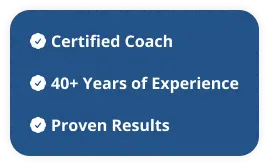
Coach Michael brings more than 40 years of business experience and has coached owners and leaders since 2012. His direct, concise approach combines difficult questions with accountability, helping identify blind spots and build systems, structure, and scalability. Leadership development connects those improvements to the people who will run the company.
The practical value is illustrated by client Barry Reiss, who reported stronger managers and shorter working weeks after working with coach Michael. His coaching programs focus attention on decisions and implementation. For owners preparing to reduce their involvement, that means working on the business’s ability to operate beyond their own daily contribution.

Build a Business That Is Ready for What Comes Next
You should be able to choose your involvement because the business has capable people and reliable systems. That choice takes preparation. Coach Michael helps turn your intentions into a structured course of action, with clear responsibilities and regular accountability. The benefits of coaching become practical when managers make decisions, teams deliver consistently, and you can assess progress without directing every detail.
Build leaders ready to accept greater responsibility and a company that supports them. Whether your next chapter involves growth, a different role, or an eventual departure, start by discussing what readiness would mean for your business and your own future.
FAQs
What does a succession planning coach do?
A coach helps clarify your objectives, reduce owner dependency, and establish accountability for the work needed before responsibilities transfer. That includes developing leaders, examining critical roles, and agreeing on practical actions with your management team. Coach Michael brings an outside perspective to decisions that can be difficult to assess alone. He helps connect talent development with business requirements and keeps implementation moving through regular reviews, so preparation becomes visible in how people decide, communicate, and deliver results without your constant involvement.
When should a business owner start succession planning?
Start before you intend to leave, while you can still develop people and test how the company operates without your daily direction. Building a talent pipeline takes repeated opportunities to learn, make decisions, and receive feedback. Earlier preparation also gives you time to document systems and address weak management coverage. A culture of continuous improvement makes this work part of running the business, so progress can continue as your plans evolve and different priorities emerge across the team over time.
How do I choose the right successor for my business?
Choose someone whose capability, values, experience, and willingness to accept responsibility match the role. Assess internal talent against explicit expectations rather than relying on family relationships, tenure, or personal loyalty. Potential leaders should demonstrate sound judgment, communication, and accountability through meaningful assignments. Look at how they manage people and commercial tradeoffs, especially when circumstances become difficult. Coach Michael helps you examine the evidence objectively and identify what still needs strengthening before deciding whether an individual is prepared for broader business responsibility.
What if no one in my business is ready to succeed me?
An absence of ready successors identifies a capability gap that can be addressed through development, recruitment, or restructuring. Start by identifying and developing emerging leaders who could grow into greater responsibility. Practical development programs should address specific shortfalls and include opportunities to demonstrate progress.
If the required capability is unlikely to develop internally within your intended timeframe, consider external recruitment or redesigning responsibilities across several roles. Coach Michael helps you evaluate those options against what the company needs and can support.
Can succession planning help me step back without selling my business?
Yes, you can transfer operational leadership while retaining ownership. The work involves giving managers clear authority, establishing reporting arrangements, and agreeing on which decisions still require your involvement. You then reduce daily intervention gradually and review how the business performs.
Understand how to define that separation and hold the team accountable for results. Your continuing role might include strategic oversight or scheduled advisory input, while capable managers take responsibility for running the company and directing its everyday activities without you.
How long does business succession planning take?
The timing depends on leadership readiness, owner dependency, and the complexity of the business. A capable management team with established systems may need less preparation than a company where customers, decisions, and knowledge revolve around its founder. Some improvements can begin immediately; demonstrating consistent independent performance takes longer.
With this, you will set realistic milestones and review progress before transferring authority. Treat timing as something informed by evidence, with adjustments when responsibilities, people, or the business’s circumstances change along the way.
