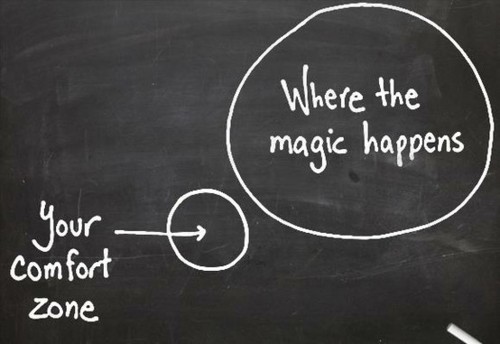

Are You Comfortable?

It’s a dark rainy Sunday morning in South Florida. Outside of maybe getting a cup of coffee, there’s really no need to jump out of bed as you’re comfortable right where you are. It’s winter time in Boston, it’s frigid cold outside, there’s snow on the ground. It’s nice and warm under the covers, you’re … Read more

Y.E.S.!

We are coming to the next to last of our ABC’s of building a better business. As we wrap it up I believe the perfect word to represent the letter is Yes. Why Yes? Because of the word Yes = You Expect Success!

First, please do not be confused with Yes relating to my blog weeks back on the letter N. My N blog for No asked the question “Are you a Yes person?” A yes person is someone who says yes to everything and then finds themselves overwhelmed with all they took on. Being a business person or just anyone in general, we all have to possess the understanding of properly maintaining and managing ourselves in knowing that there is a time to say yes and a time to say no. This is one of the key ingredients to maintaining our balance in both business and life.

However, in this instance, I would like to touch on the subject of your state of mind as an entrepreneur, a business owner, leader, manager or parent. When we are creating our goals, a business plan or just particular assignments that we would like to accomplish. Being confident in those plans is the key ingredient to the success in those endeavors. What I am essentially saying is when someone asks you about your confidence in accomplishing those plans or goals. You always want to reply with a strong confident Yes! Why? Because saying Yes programs your conscious and subconscious mind that You Expect Success! And when you enter into a venture with the expectation of success your odds of achieving that goal automatically increases.

Think about this the next time you are talking to someone about your goals. Listen carefully to the tonality of your voice in how you are expressing confidence or the lack there of in your speaking. Listen clearly as a leader when you are asking someone else about their goals, plans or assignments. Are they replying with confidence in their voice or do they sound a bit timid in their response? This will give you a clear indication of the potential outcome of these goals, plans or assignments.

If you are a leader of a team or a parent to children, when they ask for your assistance in a particular area that can help them grow as team members or people, give them a solid Yes in your assistance to their questions as you will instill belief and confidence in them.

In conclusion, just be mindful that in any and every conversation you are having, with who-ever you are having it with. Replying with a clear, confident Yes, you will consistently send the message to both yourself and others that You Expect Success.

Can you Persevere to Profits?

Small businesses continue to play a vital role in the economy of the United States by producing almost 50% of the private nonfarm GDP. In 2014, according to U.S. Census Bureau data, statistics show that unfortunately, about 40% of these businesses fail in their first year, 50% fail by their fifth and only about 20% of businesses will survive their 10th year in business. What’s the reasons why … Read more

Are KPI’s the fuel to your organizations engine?

The question lies, are KPI’s the oil to your engine, the fuel to your organization, the key components that move the speedometer forward in your sales and revenues?

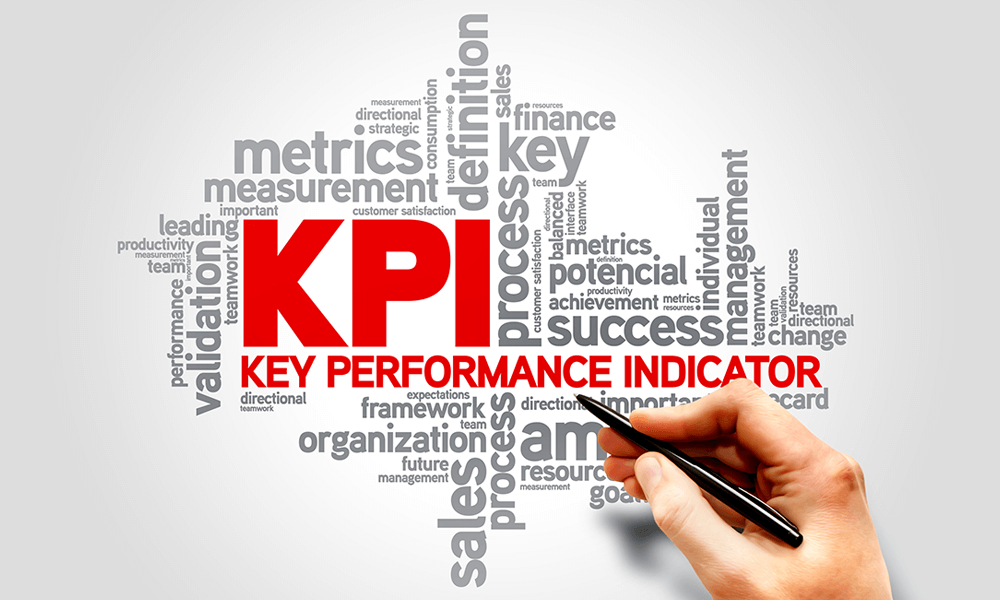
KPI’s known as Key Performance Indicators are the measurable values that demonstrate how effectively a company is achieving their key business objectives and goals. Organizations use KPIs at multiple levels to evaluate their success at reaching targets. High-level KPIs may focus on the overall performance of the organization, while low-level KPIs may focus on processes such as sales, marketing or a call center.

Whatever Key Performance Indicators are selected, they must reflect the organization’s goals, they must be a key to its success, and they must be quantifiable.

Key Performance Indicators should also be SMART. SpecificMeasurableAttainableRelevant, Time-Bound. Ask yourself these questions below when putting together your companies KPI’s.

  • Is your objective Specific?
  • Can you Measure progress towards that goal?
  • Is the goal realistically Attainable?
  • How Relevant is the goal to your organization?
  • What is the Time-frame for achieving this goal?


Once you have your SMART Key Performance Indicators in place, they then should be consistently evaluated and reevaluated based on the progress of the organization.

Key Performance Indicators can be a great measuring tool when linked to considering promotions, bonuses, salary and wage increases.

To be truly effective you should be measuring Key Performance Indicators in all area’s of the organization – in fact, for each position.

  • You can measure a Key Performance Indicator in the percentage of its income that comes from return customers.
  • In sales – you might measure the performance by the numbers of people the salesperson both calls and sells each day.
  • You may measure how effective your marketing campaigns are at generating increased revenue and sales.
  • You can measure your organization’s financial health by analyzing readily available working capital that could be used to meet any short-term obligations.
  • You can measure the percentage of customer calls answered within the first three rings as a KPI.

Understand that a company cannot manage what it is not properly measuring. What is also important to remember is in what you test & measure you usually increase.


What makes a KPI effective?

A Key Performance Indicator is only as valuable as the action it inspires. A KPI must always affect a positive change. Understand that when team members have something positive to strive for it adds an element of competition into their daily routines. When they aim for and achieve their own personal goals, this will not only have a positive effect on the running of the business as it will have a positive effect on the team as well.

In terms of developing a strategy for formulating KPIs, your team should start with the basics and understand what your organizational objectives are, how you plan on achieving them, and who can act on this information. This should be an iterative process that involves consistent feedback.

Once you establish your KPI’s, position them by communicating them well and enrolling your team in the process and outcome. Understand that the truth is that KPIs are only as valuable as you make them. KPIs require time, effort and employee buy-in to live up to their high expectations. However, their true potential value remains in the hands of those that use them and use them well.

If you would like to acquire a better understanding of how to implement Key Performance Indicators in your business or organization. Contact your coach.


Do you have Solid Organizational Bench Strength?

In any organization or sports team, any sustainable success will always come down to their bench strength. We’ve seen it in basketball games where the second teamers would come off the bench and pull ahead in the score by outperforming the bench of the opposing team. We’ve seen it in football games when a first stringer would get injured and his back up would come off the bench and perform successfully.

Bench strength in an organization is defined by the competence and number of employees who are ready to fill vacant leadership and any other important positions. For any organization to thrive, they must have solid bench strength.

How do we create this bench strength?

First, you must always transfer the knowledge and experience from the top. This aids in the education and development of future leaders. In any successful sporting organization, is almost always lead by a great coach who is a great communicator and motivator. He not only has the ability to build people up, however, he does this all while holding them to a high standard of accountability.

To build great bench strength you must build solid relationships across the generations.  These filtered down skills, talents, and values of this diverse group will strengthen the overall leadership.

Develop succession plans. Don’t wait until the need for a leader is obvious! Identify and nurture high-potential members of the team. This group can be the first to leave if they are not properly recognized and developed.

Provide cross-departmental learning and exposure. This will develop a much better understanding of the overall organizational systems.

Offer executive coaching. Having an outsider perspective who specializes in this process can be very beneficial to upcoming leaders in succession planning. This will also provide a mastermind type strategic thinking process that will be very helpful early in the young talents career path.

Consistently assess this talent and provide mentoring support for new managers. This will help to acclimate them to their new roles. Constantly give your new leaders insights to help them increase their effectiveness.

Always keep an open dialogue. What leadership skills are crucial to the company’s success? What is the most important philosophy about your companies culture of leadership? What type of individual fulfills this culture of leadership? How are they willing to step up to fulfill this culture?

One final ingredient in succession planning will likely be influenced by work/life concerns. Organizations will need to find ways to help high-potentials balance their work and personal life responsibilities. Organizations must understand the impact that generational influences have on employees’ views of career development.

Be sure to recognize, develop, support, and train your organization’s young talent and with the proper bench strength you will surely have your winning team.